Sweet Duck Font for Creative Makers
One crisp morning, I was working on a set of candle labels for my small handmade shop. The candles were scented with lavender and vanilla, and I wanted the labels to reflect that soft, inviting vibe. I opened my design software and scrolled through my font collection—until I found it: Sweet Duck. The moment I typed a few words in it, I knew this was the perfect fit.
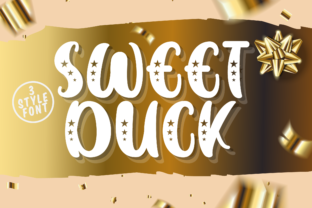
Sweet Duck is a handwritten font that brings a warm, personal touch to any project. Its curves are gentle, its strokes are lively, and its overall feel is like a friendly note from a loved one. It’s not too casual, nor too formal—it sits right in the middle, making it ideal for everything from greeting cards to product packaging.
I’ve used Sweet Duck on a variety of handmade items. For example, when designing a set of birthday invitations, I paired it with a clean sans serif font for the details. The contrast made the text pop without feeling overwhelming. On a farmhouse sign, it added just the right amount of charm, making the message feel more authentic and heartfelt.
The font works well for short phrases, names, and titles. I’ve used it for wedding welcome boards, printable wall art, and boutique tags. It also shines on seasonal products like holiday gift tags or summer sale signs. Whether you’re creating digital printables or printing physical merchandise, Sweet Duck adds a unique personality to your designs.
When I’m preparing a mockup for an Etsy listing, I always test how Sweet Duck looks in different sizes and formats. On a small sticker, it remains legible and charming. On a large banner, it becomes a focal point. I’ve also used it on tote bags and mugs, where the font’s natural flow complements the handcrafted feel of the product.
For product labels, Sweet Duck is a game-changer. It gives a sense of care and intention, which is exactly what I want to communicate to my customers. When I designed a set of candle labels, I used it for the scent name and the brand logo. The result was elegant, cohesive, and instantly recognizable.
Readability is important, especially when using cutting machines or printing small text. Sweet Duck holds up well in most cases, but I always recommend testing it at different sizes before finalizing a design. If you're using it for a label that will be cut out, make sure the characters aren’t too thin or intricate, as they might not hold up under the pressure.
Font pairing is another area where Sweet Duck excels. I often pair it with a simple serif font for a classic look or with a bold display font for a more modern feel. It also pairs nicely with other handwritten fonts when you want to create a layered, textured effect. Just be mindful of contrast and spacing to keep the design balanced.
When I first discovered Sweet Duck, I was drawn to its versatility. It can be used for both digital and physical projects, and it adapts well to different styles. I’ve used it in editorial designs, packaging concepts, and even in social media graphics. Each time, it brought a sense of warmth and creativity to the work.
One of the things I love about Sweet Duck is that it feels personal. It doesn’t have the rigid structure of a traditional sans serif, nor the fluidity of a script font. Instead, it strikes a balance that feels approachable and professional at the same time. This makes it a great choice for shop branding, where consistency and character are both important.
When I’m designing a new product line, I always consider how the font will contribute to the overall aesthetic. Sweet Duck has helped me create a cohesive look across my candles, soaps, and stationery. It’s become a signature element of my brand, and customers often comment on how much they like the font’s style.
If you’re a crafter or a handmade seller looking for a font that adds character without being too flashy, Sweet Duck is worth trying. It’s a premium font that offers a lot of creative potential. Whether you’re designing labels, invitations, or digital downloads, it can elevate your work and make it stand out.
Before using Sweet Duck for commercial purposes, I always check the licensing details. It’s important to know what you can and cannot do with the font, especially if you’re selling physical products or digital templates. Most fonts come with clear guidelines, and Sweet Duck is no exception.
Overall, Sweet Duck is a font that feels like a trusted companion for makers. It’s expressive, easy to use, and adaptable. Whether you’re creating a single label or a full branding package, it can help bring your vision to life in a way that feels genuine and thoughtful.
From my experience, Sweet Duck is more than just a typeface—it’s a tool that helps express the heart behind handmade creations. And that’s something every maker can appreciate.